Beneficial Foods for Mom and Baby
If you have no allergies and your doctor approves, the foods below can support a balanced diet during pregnancy and breastfeeding. Their benefits come from…
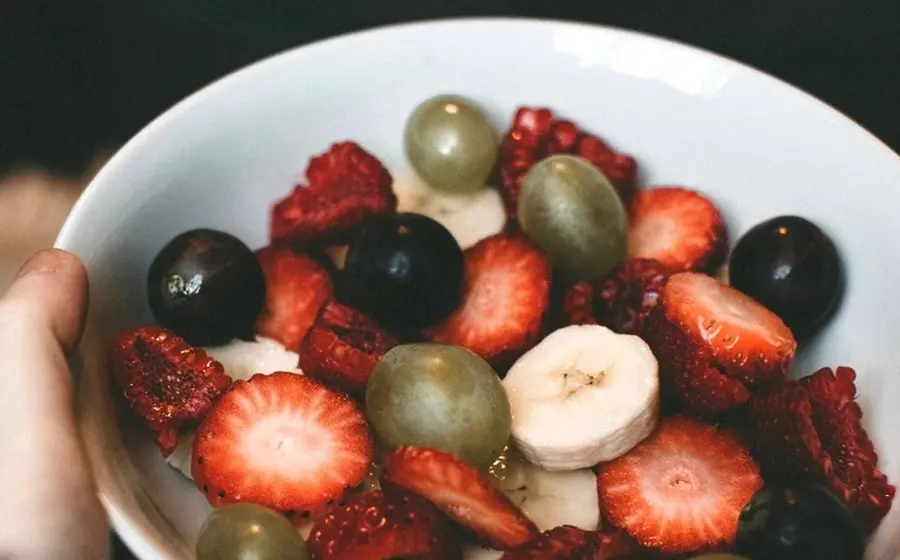
If you have no allergies and your doctor approves, the foods below can support a balanced diet during pregnancy and breastfeeding. Their benefits come from strengthening the mother's nutrition, which indirectly supports the baby's growth and development.
None of them is a "miracle food" on its own; they work best as part of a varied, balanced diet. Personalized planning should be done with your doctor or dietitian, based on your health, any medications you take, and your lab results.
Foods
Avocado
- Key nutrients — Folate, Healthy fats, Fiber
Avocado is rich in folate. Folate is a B vitamin that's critical for DNA synthesis, cell division, and especially the baby's neural tube development in early pregnancy. Its monounsaturated fats and fiber also support satiety and digestion.
- It's an energy-dense food, so it's best to keep portions moderate.
Pumpkin Seeds
- Key nutrients — Iron, Magnesium, Zinc
Pumpkin seeds stand out for their iron, magnesium, and zinc. Iron is needed for the increased blood volume of pregnancy; magnesium plays a role in muscle and nerve function and energy production; and zinc is important for cell growth and immunity.
- To improve absorption of their plant-based (non-heme) iron, it helps to eat them with vitamin C sources (like citrus or peppers). They're calorie-dense, so enjoy them in moderation.
Egg
- Key nutrients — Choline, Protein, Iodine
Eggs are a valuable food, especially for choline. Choline is needed for the structure of cell membranes and for the baby's brain and nervous system development. Eggs also provide complete protein, plus iodine and vitamin D in the yolk. The need for choline rises even further while breastfeeding.
- To guard against salmonella, cook eggs thoroughly until both the white and yolk are firm.
Kefir (Pasteurized)
- Key nutrients — Probiotics, Calcium, Protein
Pasteurized kefir provides protein, calcium, and live cultures. Calcium supports the baby's skeletal development and protects the mother's bone health. The probiotics in fermented foods may benefit gut flora, but this effect varies by product and by the specific microbial strain it contains. So kefir should be seen as part of a balanced diet, not something to rely on by itself.
- To guard against listeria, choose only pasteurized products.
Walnut
- Key nutrients — Omega-3 (ALA), Protein, Fiber
Walnuts contain ALA, a plant-based omega-3 fatty acid; omega-3 fatty acids are important for the baby's brain and eye (retina) development. They also provide protein and fiber. However, the body's conversion of ALA into DHA is limited, so while walnuts are a good supporting food, they're not a direct source of DHA. Low-mercury oily fish are a stronger source of DHA.
- Nuts are energy-dense, so portion control matters.
Lentils and Legumes
- Key nutrients — Folate, Iron, Protein, Fiber
Legumes like lentils, chickpeas, and dried beans are rich in folate, iron, protein, and fiber. Folate and iron matter together for neural tube development and blood formation. Fiber can help ease the constipation that's common in pregnancy.
- Their iron is plant-based; eating it with vitamin C sources improves absorption.
Spinach and Dark Leafy Greens
- Key nutrients — Folate, Iron, Vitamin K
Spinach and other dark leafy greens contain folate, iron, vitamin K, and calcium. These foods support both the baby's neural tube development and the mother's blood formation.
- Wash raw greens thoroughly to guard against soil-borne pathogens (toxoplasma, listeria).
Salmon and Sardines
- Key nutrients — Omega-3 (DHA), Vitamin D, Iodine
Low-mercury oily fish like salmon and sardines provide omega-3 DHA and EPA, vitamin D, iodine, and high-quality protein. DHA is one of the most important fatty acids for the baby's brain and retina development.
- Eat oily fish no more than 2 servings per week. Avoid high-mercury fish like shark, swordfish, and marlin, and limit tuna. Don't eat raw or smoked fish.
Yogurt
- Key nutrients — Calcium, Protein, Iodine
Yogurt contains calcium, protein, iodine, and probiotics. Calcium is needed for the baby's bone development, and iodine is needed for the mother's thyroid hormones and the baby's brain development.
- Choose products made from pasteurized milk.
Oats and Whole Grains
- Key nutrients — Fiber, B vitamins, Magnesium
Oats and whole grains provide fiber, B vitamins, magnesium, and some iron. Their complex carbohydrates give steady, long-lasting energy, and their fiber can help reduce constipation during pregnancy.
Sweet Potato
- Key nutrients — Beta-carotene, Fiber, Vitamin C
Sweet potato is rich in beta-carotene (provitamin A) and also contains fiber and vitamin C. Beta-carotene is a safe form that the body converts into vitamin A only as needed, which is why it's preferred over preformed (retinol) vitamin A sources during pregnancy.
Oranges and Citrus
- Key nutrients — Vitamin C, Folate
Oranges and other citrus provide vitamin C, folate, and fluids. Vitamin C boosts the absorption of plant-based iron and contributes to tissue building (collagen synthesis). It's especially helpful eaten alongside iron-rich plant foods.
Almond
- Key nutrients — Vitamin E, Magnesium, Calcium
Almonds contain vitamin E, magnesium, calcium, protein, and healthy fats. They're a nut that supports bone and tissue development.
- They're energy-dense, so portion control matters.
Lean Red Meat
- Key nutrients — Heme iron, Vitamin B12, Zinc
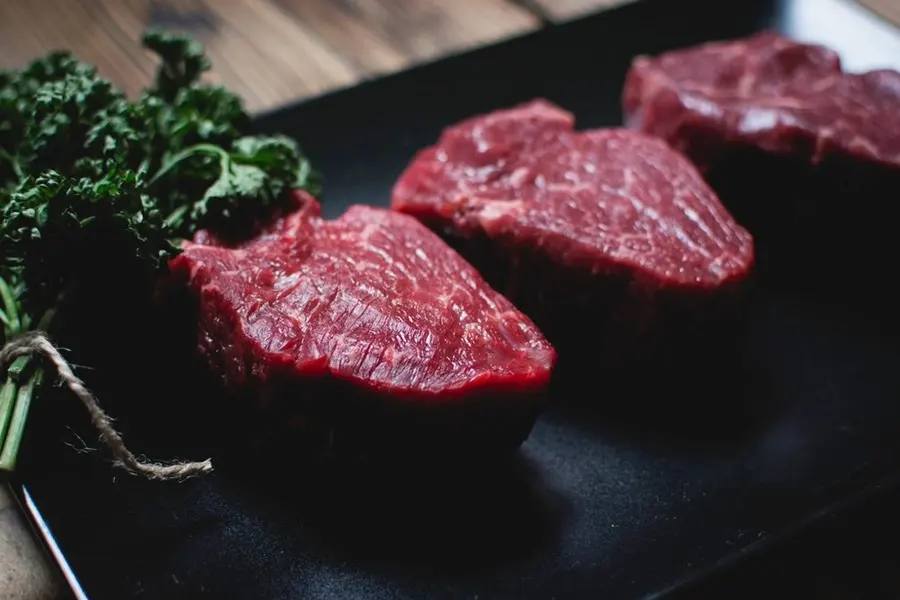
Lean red meat provides heme iron, the best-absorbed form of iron, along with protein, vitamin B12, and zinc. Getting enough iron helps protect against anemia (iron-deficiency anemia) during pregnancy.
- Cook meat thoroughly to guard against toxoplasma. Liver and liver pâté are not recommended during pregnancy because of their high vitamin A content.
Practical notes
- Eat eggs and meat well-cooked, and dairy pasteurized.
- Pair plant-based iron with vitamin C sources; wash raw fruits and vegetables thoroughly.
- Nuts and seeds are energy-dense, so portion control matters.
Recommended to limit or avoid
- High-mercury fish (shark, swordfish, marlin); limit tuna, and keep oily fish to 2 servings per week.
- Unpasteurized dairy products and mold-ripened/soft-ripened cheeses (listeria risk).
- Undercooked meat and eggs; raw or smoked fish; raw sprouts and unwashed produce.
- Liver, liver products, and high-dose vitamin A supplements (too much vitamin A can harm the baby).
- Alcohol should be avoided entirely. Caffeine should not exceed 200 mg per day (about 2 cups of coffee).
General
- Stay hydrated throughout the day. Only a modest increase in calories is needed in the second and third trimesters; "eating for two" is a myth.
- A prenatal vitamin with folic acid, iron, and iodine complements your diet; it's hard to meet the need for folic acid in particular through food alone. Leave decisions about supplements and dosing to your doctor.
- Everyone's health, medication use, and tolerance are different; personalized planning should be done with your doctor or dietitian.
Related articles
Foods to Avoid and Limit During Pregnancy
When you're pregnant, your body recalibrates its immune balance to protect your baby, and one side effect is that you become more vulnerable than usual to certain…
Read article
Moms' Most Common Questions and Worries
The questions you grab your phone and type into a search engine at 3 a.m.... This section is exactly for those. We've gathered the questions moms ask most in…
Read article
Mental Health During Pregnancy and After Birth
Everyone tells you pregnancy is "the happiest time of your life" — and often it truly is. But anxiety, tension, tearfulness, and thoughts like "am I really going to…
Read articleContinue your journey with Momly
Track your week, save what matters and keep every guide in your pocket — on iPhone.
Browse more in Nutrition